Soft washing uses controlled chemistry and a measured rinse
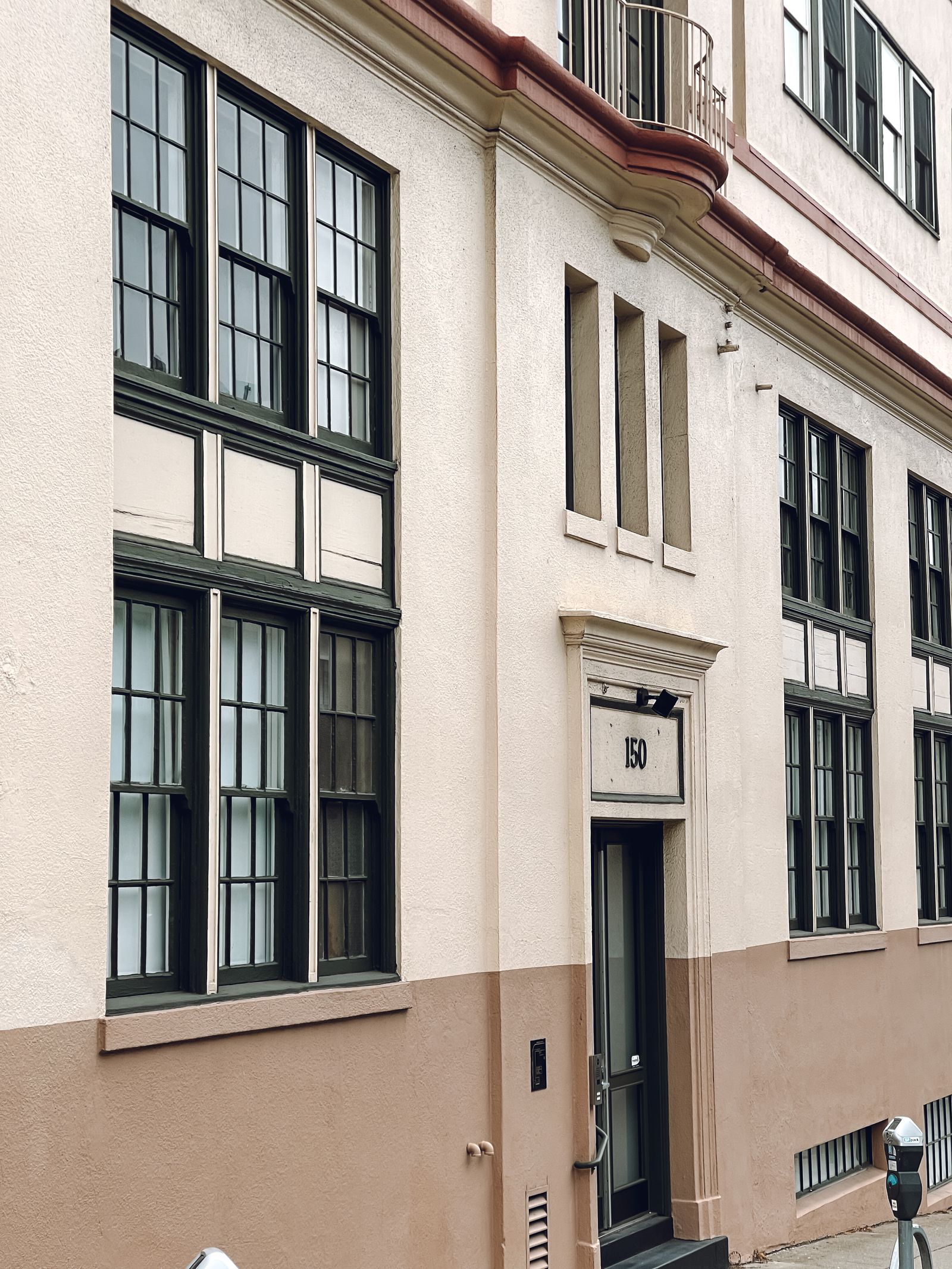
Soft washing generally uses compatible chemistry, dwell time, and a lower-impact rinse to loosen appropriate organic contamination. It may fit algae-like staining, mold-like growth, pollen, bird residue, and ordinary atmospheric film on tested brick, concrete, stucco, EIFS, painted finishes, and other suitable materials. Soft does not mean identical. Concentration, dwell, agitation, rinse volume, surface temperature, protection, and drying conditions all affect the process and the result.
On a Brownsville office, hotel, clinic, retail center, warehouse, or mixed-use property, a soft-wash approach can address broad facade soil when the substrate and water path are understood. It does not repair a failed sealant, leaking roof edge, cracked stucco, spalled concrete, corroded panel, loose coating, damaged glass, or blocked drain. A useful quote names the condition being addressed and identifies when a roofer, mason, glazier, painter, corrosion specialist, or envelope professional should handle the underlying problem.
Where controlled pressure can fit
Pressure washing may fit selected durable concrete walks, curbs, loading pads, ramps, parking structures, service yards, and other tested hardscape. It can release adhered soil that a lower-impact rinse may not. That does not make pressure the default for a facade. Poorly matched pressure can etch concrete, erode mortar, force water behind joints or panels, strip paint, damage stucco or EIFS, break seals, and carry dirty water into public or planted areas.
A Brownsville retail center might use controlled pressure on a tested concrete trash pad while storefront frames, signs, glass, and landscaping receive different treatment. A hotel may have a durable service drive beside delicate guest-facing finishes. A warehouse may have a concrete truck court that differs from insulated panels, dock seals, cameras, and electrical equipment. Compare material, residue, nearby operations, and expected finish zone by zone instead of selecting one method for the entire address.
- Reserve pressure for tested, durable surfaces where flow, distance, runoff, and nearby finishes are controlled.
- Treat a pressure number as one operating detail, not a complete cleaning method.
- Protect mortar, coatings, glazing, sealants, openings, plants, people, vehicles, and equipment.
- Use a test area when material, repair history, salt exposure, or coating response is unclear.
Identify heat, humidity, coastal wind, and storm residue
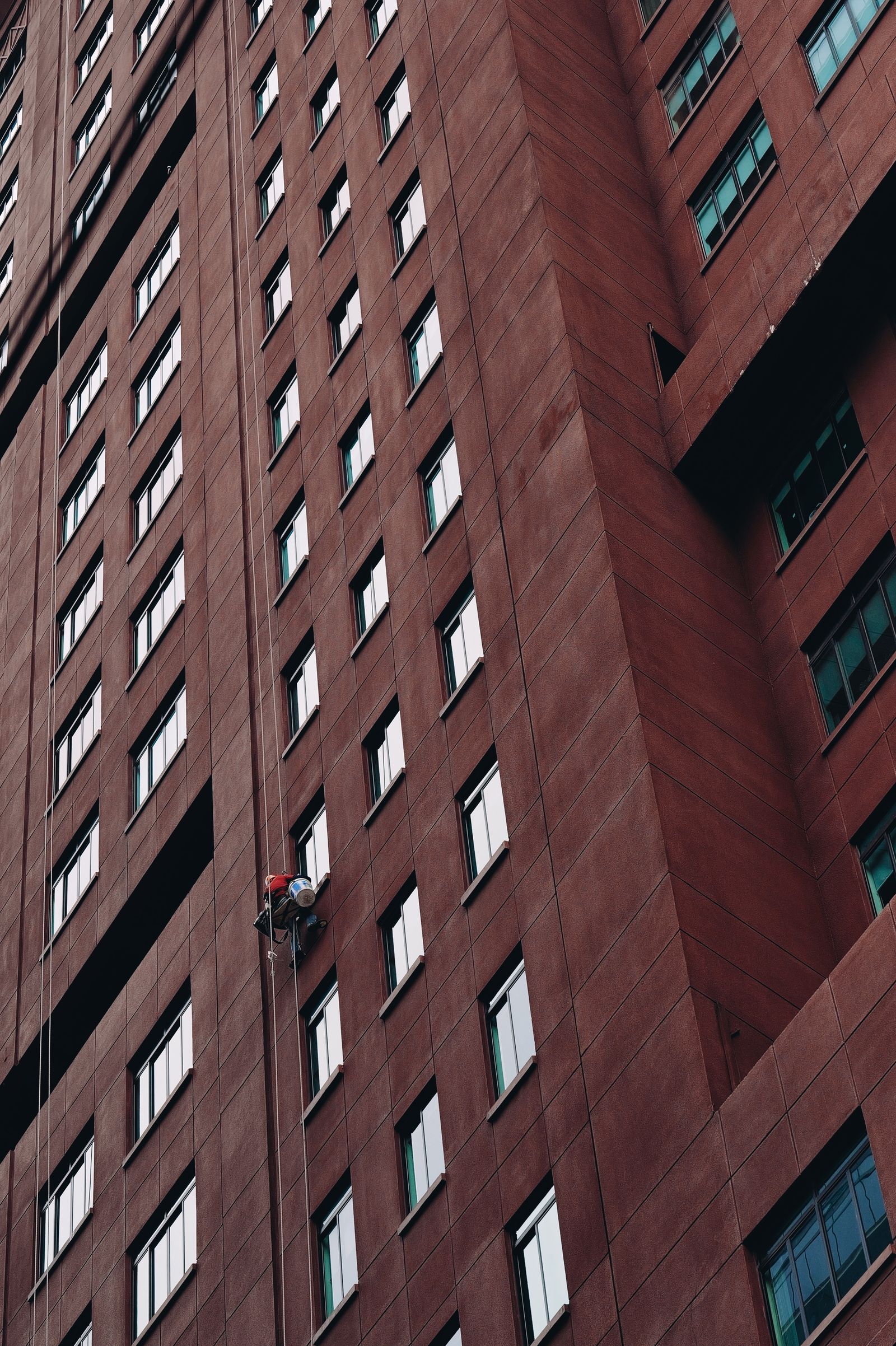
Brownsville heat can shorten dwell time and drying on sunlit walls while shaded elevations remain damp. Humidity, irrigation, landscaping, and covered walks can support recurring organic staining. Coastal wind may carry salt and dust toward metal, glazing, paint, and hardware. A dark streak could be organic growth, roof runoff, traffic film, oxidation, or a failed drain. A pale deposit could be mineral residue, efflorescence, or storm-borne soil. The method should follow the likely source rather than the color of the mark.
Rain and tropical systems can move leaves, silt, roof aggregate, parking-lot soil, and other storm residue toward doors, lower walls, ramps, and catch basins. The work window should account for forecast, lightning, wind, surface moisture, standing water, visibility, and safe handback. A downtown sidewalk, hotel arrival, medical drop-off, loading ramp, or customer route may need time to dry and be inspected even after the wall looks clean. Cleaning should not be represented as a cure for a drainage or building-envelope defect.
Boca Chica and Port of Brownsville logistics are useful planning context for truck movements, service yards, security, coastal exposure, and changing site activity. This does not establish a service claim for the port, industrial process areas, aerospace properties, or any named facility. A property-specific review remains necessary for owner authorization, safety, access, runoff, and environmental requirements.
Compare substrate risk, access, and the finish you need
Brick and mortar require attention to joint condition and age. Stucco and EIFS require attention to cracks, penetrations, drainage details, and the risk of forcing water behind the finish. Tilt-up concrete may tolerate a different approach from painted metal or insulated panels. Glass, seals, signs, cameras, rooftop units, and air intakes need protection with either method. A discreet test area can reveal whether the selected process improves the target area without creating a new problem.
Access also changes the comparison. Drone assistance may support a broad upper elevation when the material, wind, airspace, visual control, stand-off distance, launch area, recovery area, hose route, and ground zone work together. A narrow downtown sidewalk, active hotel entrance, busy truck court, or windy coastal site may favor a lift, pole, roof access, hand detail, hybrid approach, or rescheduled window. Aerial assistance does not eliminate contact cleaning at glazing, doors, recessed details, mineral deposits, or architectural features, and applicable FAA rules still apply.
Make water management and occupied-site planning part of the choice
Before rinsing, identify slopes, catch basins, low points, planted areas, detention features, doors, adjacent parcels, hose crossings, and places where storm residue collects. The closest storm inlet is not automatic permission to discharge treated water. Product, soil load, rinse volume, slope, drain type, and site requirements may call for diversion, recovery, filtration, reduced rinse volume, plant protection, disposal, or coordination with the responsible authority. The quote should state assumptions and the response if a blocked drain, wind shift, or unexpected flow changes them.
An occupied property also needs a people plan. Coordinate patients, guests, tenants, employees, deliveries, security, events, accessible travel, emergency access, outdoor seating, truck routes, forklift lanes, and gate operations. Work can be phased around the busiest elevations with a clear handback inspection. A method that works on an empty drawing may not work during a hotel arrival, clinic appointment period, retail rush, downtown event, or logistics delivery window.
Use the quote to choose a practical Brownsville method
A strong quote may combine soft washing for compatible facade growth, controlled rinsing for selected upper panels, water-fed poles for suitable glass, hand work at entries, and pressure washing only on tested hardscape. It should show the elevations included, material and residue assumptions, access method, protection, drainage controls, weather limits, operating windows, finish standard, exclusions, and closeout documentation. This makes the method understandable to an owner, facility manager, tenant, or operations lead.
Send photos of the main entry, upper wall, roof edge, loading area, glazing, shaded elevation, hardscape, and parking-side drainage. Include approximate height, materials, known leaks or repairs, preferred dates, water access, security rules, tenant or production constraints, event timing, and the desired result. To request the existing quote or contact CTA, call +1 239-351-2897 or email contact@dronebuildingcleaners.com. Drone Building Cleaners can explain which method fits the building and which work belongs to another trade.