Start with Brownsville materials and the real source of staining
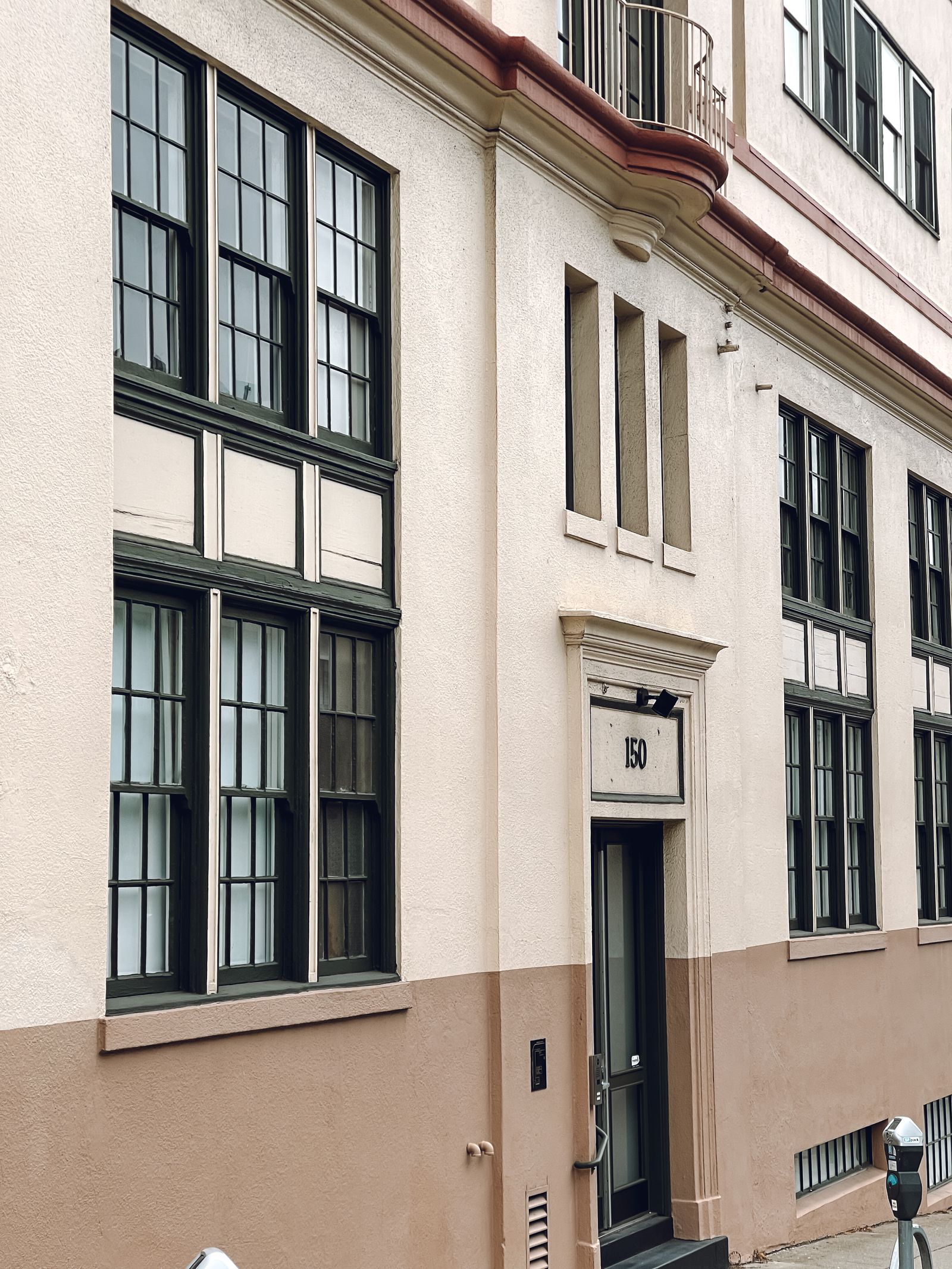
Brownsville commercial properties may combine brick and mortar, stucco, EIFS, precast concrete, tilt-up panels, painted block, metal siding, storefront glass, canopies, signs, sealants, and older repairs. Downtown buildings can place masonry, narrow sidewalks, restaurants, offices, and neighboring tenants in one tight work area. A retail center may combine glazing, monument signs, drive aisles, landscaping, and shaded walls. A warehouse or logistics building may have broad metal panels, concrete aprons, loading docks, truck film, and equipment that need a different treatment from an office entry.
A compatible soft-wash process may help with organic growth, pollen, bird residue, and ordinary atmospheric film when chemistry, dwell time, rinse, protection, and substrate condition are appropriate. It is not a repair for open mortar, cracked stucco, failed sealants, spalled concrete, corrosion, loose paint, damaged glass, or an active leak. A dark line can be roof runoff, oxidation, exhaust film, or moisture damage rather than removable growth. A proposal should separate routine cleaning from mineral treatment, restoration, coating work, masonry repair, and envelope investigation.
- Separate brick, mortar, concrete, stucco, EIFS, glass, metal, coatings, and sealants.
- Distinguish organic staining from salt, minerals, oxidation, traffic film, and water paths.
- Use a representative test area when coating history or the stain source is uncertain.
- State the finish standard and exclusions instead of promising that every mark will disappear.
Fit the work to downtown, Boca Chica, and logistics activity
Downtown Brownsville properties near historic commercial blocks, the courthouse area, Market Square, and busy pedestrian routes may need sidewalk separation, storefront protection, tenant notices, and a sequence that preserves the most visible entrance. Offices, restaurants, hotels, and clinics have different arrival peaks and handback needs. The property manager should identify accessible routes, fire lanes, outdoor seating, air intakes, cameras, deliveries, and any event or business hours that constrain the work window.
The Boca Chica corridor and the Port of Brownsville bring a coastal and logistics context: truck movements, broad service yards, security procedures, wind exposure, metal and concrete surfaces, and active loading or receiving areas may all influence planning. This page does not claim authorization, access, or work at the port, industrial sites, or aerospace facilities. Any such property would require its own owner approval, safety review, security process, environmental controls, and site-specific scope before work could be discussed.
A retail, hotel, office, or warehouse near US 77, US 281, SH 48, SH 100, or the port approach can often benefit from phased elevations. The visible entry, tenant frontage, customer route, loading area, and less-visible upper wall do not have to be treated as one closure. A quote should connect priority zones to the operating outcome, whether that is an event-ready entry, recurring presentation, tenant transition, or removal of a specific type of soil.
Plan for Rio Grande Valley heat, humidity, wind, and storms
Brownsville heat can raise surface temperature, shorten dwell time, increase worker exposure, and create uneven drying between sunlit and shaded elevations. Humidity and irrigation can keep covered walks, lower walls, landscaping edges, and north-facing areas damp enough for organic staining to return. Coastal wind can carry salt and dust toward metal, glass, painted finishes, and hardware. These conditions make a current weather review and substrate inspection more useful than a fixed recipe or calendar promise.
Heavy rain and tropical weather can move dust, leaves, silt, roof aggregate, and parking-lot residue toward walls, ramps, doors, and catch basins. A gutter, scupper, downspout, failed joint, irrigation head, or low spot may recreate one streak after the facade is washed. Document the visible water path and refer repairs to the appropriate trade. Before handback, review lightning, wind, rain, surface moisture, standing water, heat, visibility, and whether pedestrians, guests, employees, or vehicles can safely use the area.
A recurring schedule should follow observed resoiling, shade, salt exposure, landscaping, storm exposure, and the property calendar. It should not imply a guaranteed interval or outcome. A practical maintenance plan identifies the elevations that return first, the moisture or drainage source that contributes to them, and the presentation level the owner actually needs.
- Check heat, humidity, wind, rain, lightning, surface temperature, and drying before each phase.
- Inspect roof edges, gutters, scuppers, downspouts, joints, irrigation, and low walls for repeat wetting.
- Protect plants, air intakes, glazing, metals, vehicles, doors, and occupied routes.
- Set pause and reschedule triggers before hoses, barriers, lifts, or aerial equipment are staged.
Choose access and runoff controls for the address
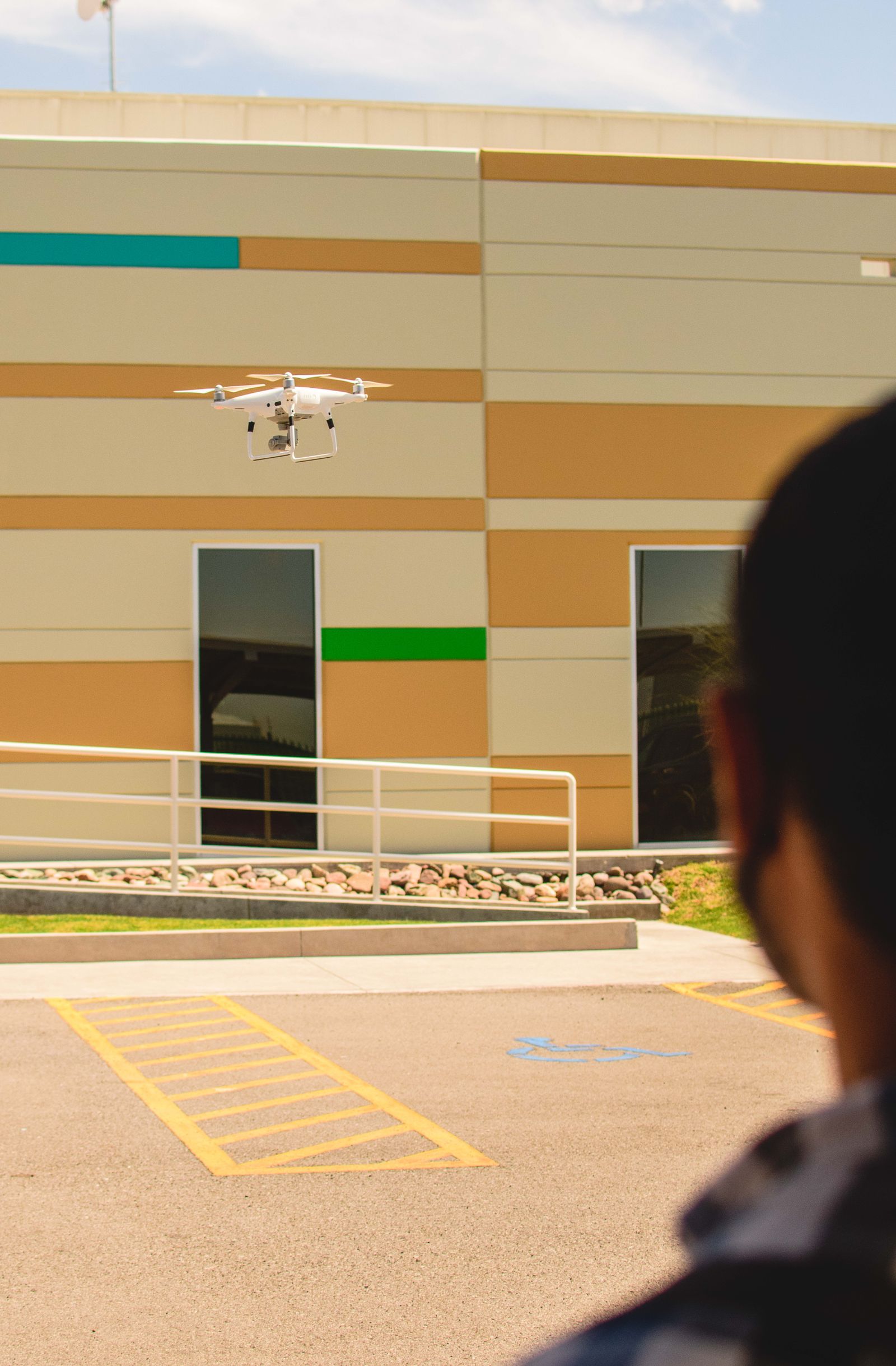
Drone assistance may be considered for suitable broad upper elevations when facade compatibility, stand-off distance, wind, launch and recovery space, visual control, airspace, and public separation support it. It can be one option for parapets, ledges, sign bands, or tall compatible walls. It does not replace close condition assessment, contact glass cleaning, hand detailing, bonded-deposit removal, or repairs. A lift, water-fed pole, ground setup, hand work, or hybrid plan may be better at a tight downtown sidewalk, active loading zone, or windy coastal site. Applicable Federal Aviation Administration requirements still apply.
Before water or cleaning solution is applied, map drains, low points, slopes, landscaped areas, detention features, doors, neighboring property, hose crossings, and places where storm residue collects. A storm drain beside the building is not automatic permission to discharge treated water. Depending on the product, soil load, rinse volume, and site requirements, controls may include diversion, recovery, reduced rinse volume, filtration, plant protection, disposal, or coordination with the responsible authority. The quote should state assumptions and what happens if field flow differs from the plan.
The field plan should also identify accessible paths, tenant doors, emergency access, loading docks, truck routes, security points, air intakes, cameras, vehicles, and the person authorized to pause work. Documentation of representative pre-work conditions, completed elevations, remaining deposits, and observed damage gives the facilities team a useful closeout record.
Request a Brownsville quote with useful property details
Send the address, building use, approximate height, facade materials, priority elevations, visible residue, preferred timing, operating hours, water access, nearby drains, and known leaks, loose materials, coating failures, salt exposure, or prior cleaning damage. Photos of the main entry, shaded wall, upper wall, roof edge, loading area, glazing, landscaping, and parking-side drainage help the team prepare for a site review. Note whether the building is downtown, near Boca Chica, part of a logistics corridor, or an occupied retail, hotel, office, medical, or warehouse property.
To discuss a Brownsville property, call +1 239-351-2897 or email contact@dronebuildingcleaners.com. Drone Building Cleaners can help you evaluate whether soft washing, controlled pressure, aerial assistance, or a hybrid approach fits the building and prepare a quote around the result you need. The scope should be specific about included elevations, access, protection, weather, drainage, limitations, and work that belongs to another trade.